

black life in LA
whatever you like, whatever feels good, whatever takes you mountain high

Quick note before we get to this month’s letter!
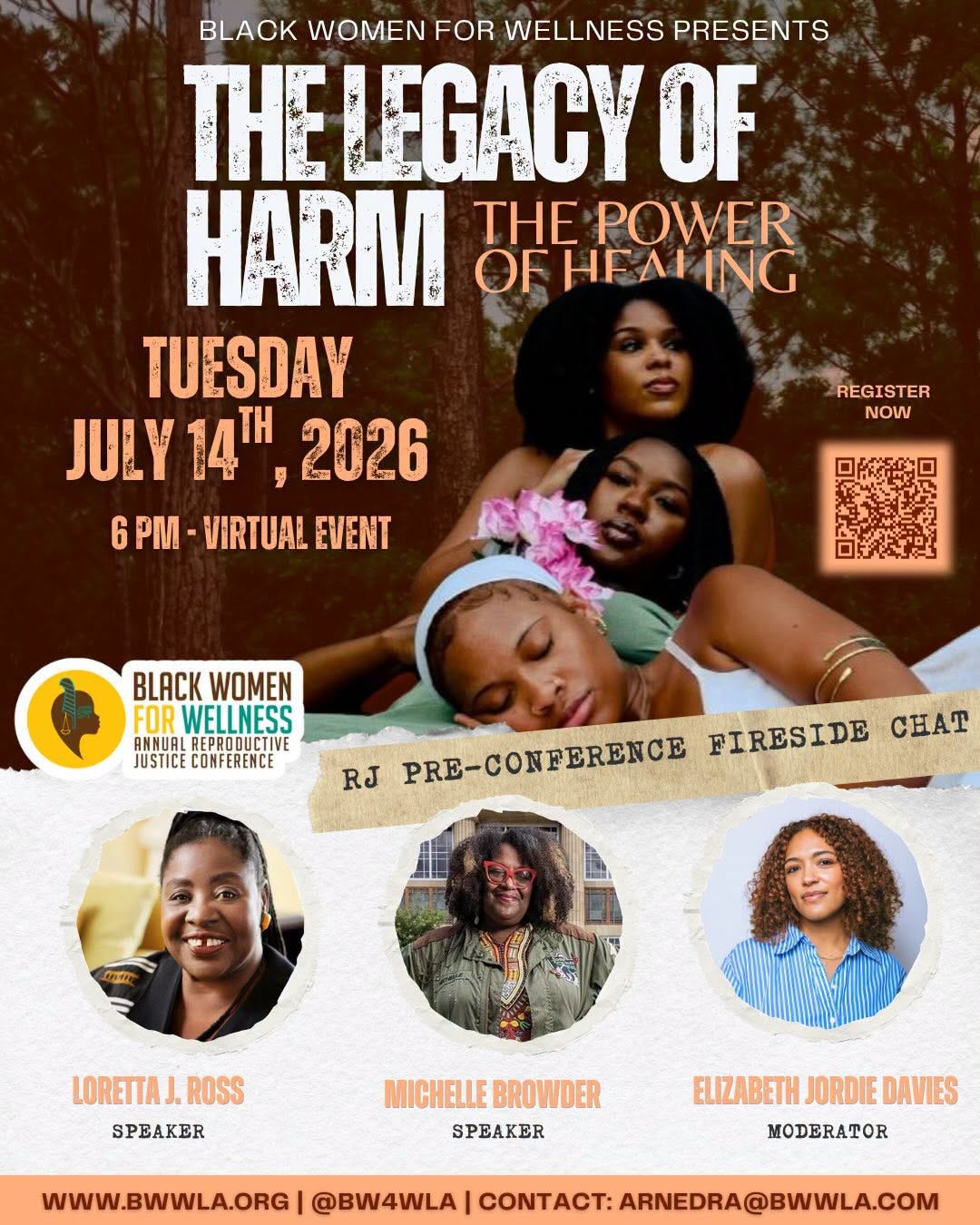
This month, I’ll be speaking at this pre-conference webinar for Black Women for Wellness! I’ll be chatting with the incredible Loretta J. Ross and Michelle Browder about how Black women have dealt with reproductive justice issues throughout history and our struggles in the present. Register here.
Housekeeping done, onward!
Hello friends,
Summer is in bloom in Los Angeles. I recently moved to the Inglewood area and am closer to some Black cultural centers in the city. I was getting my nails done the other day and the nail tech asked me why I would move a bit farther away from my workplace to live in the area. A Black lady, sitting nearby, leaned over and said “Because she wanted to be closer to her people!” I smiled, my heart smiled.
I had been considering a move to LA for a while and was thinking I’d choose the Silver Lake/ Echo Park area. There, I’d maybe be able to take the train into work, and I’d be closer to some younger, hipper areas. I was speaking to a colleague, though, and she mentioned I should consider the west side to be closer to the historically Black/ Latinx neighborhoods. I thought the commute might be too much from the west side— but as LA freeways would have it, it’s about an hour from either neighborhood (off rush hour, of course). So I took a little bit of a leap— I checked out some apartments and coffee shops; I ensured a pharmacy and a grocery store were nearby. And I moved!
While I expected Inglewood would be a great neighborhood to be in, I happily realized I was in a nexus of historic Black neighborhoods. Ladera Heights, Leimert Park, Baldwin Hills, Windsor Hills, Crenshaw, and Inglewood are all nestled together on the south and west sides of LA. I spent Juneteenth weekend criss crossing the area: a block party at lauren halsey’s sister dreamer sculpture park; getting past security into Leimert Park’s Juneteenth celebration; a bbq nearby Crenshaw Boulevard; a drink at a Black owned bar a little to the north in West Adams. I hosted a housewarming at my new place nearby downtown Inglewood. I’m feeling so much joy at the new sights and looking forward to immersing myself in and nurturing Black culture in LA.
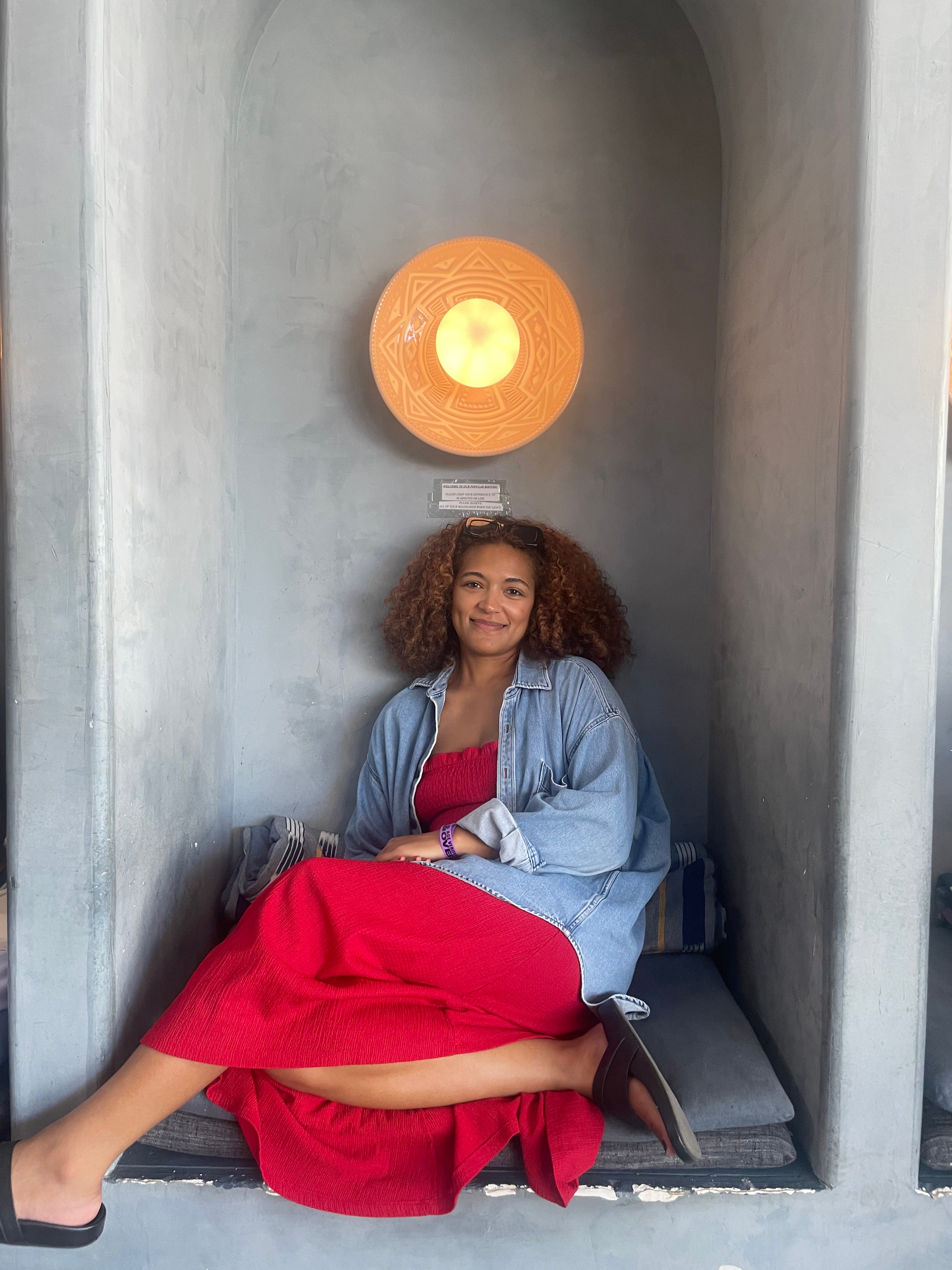
New (to me) Discoveries on the Black West Side
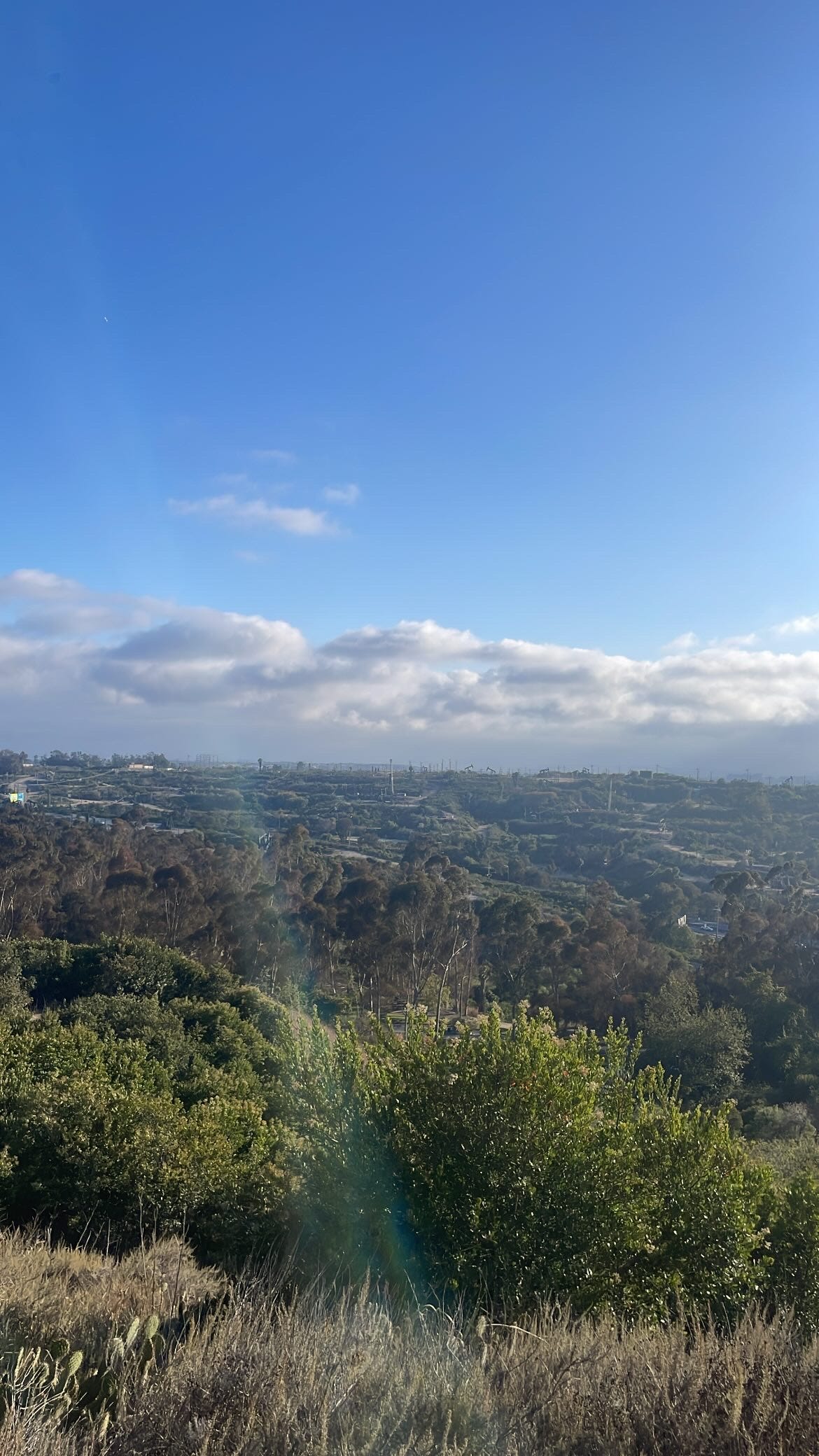
Damn I Miss Paris A dancey, vibey Black owned cocktail bar in West Adams • Alta Adams A delicious Black owned Michelin star restaurant with delicious small plates • Country Jamaican Phenomenal local Jamaican spot, get the jerk chicken for sure • Two Hommés Now I haven’t sat down in the restaurant, but I’ve had the catering and the food truck and I must say— the jollof, jerk, and plantain combo is sublime • Kenneth Hahn Park A beautiful park with steep hills for a hike, a little pond for a walk, and picnic tables for a party. Spectacular view of LA, too.
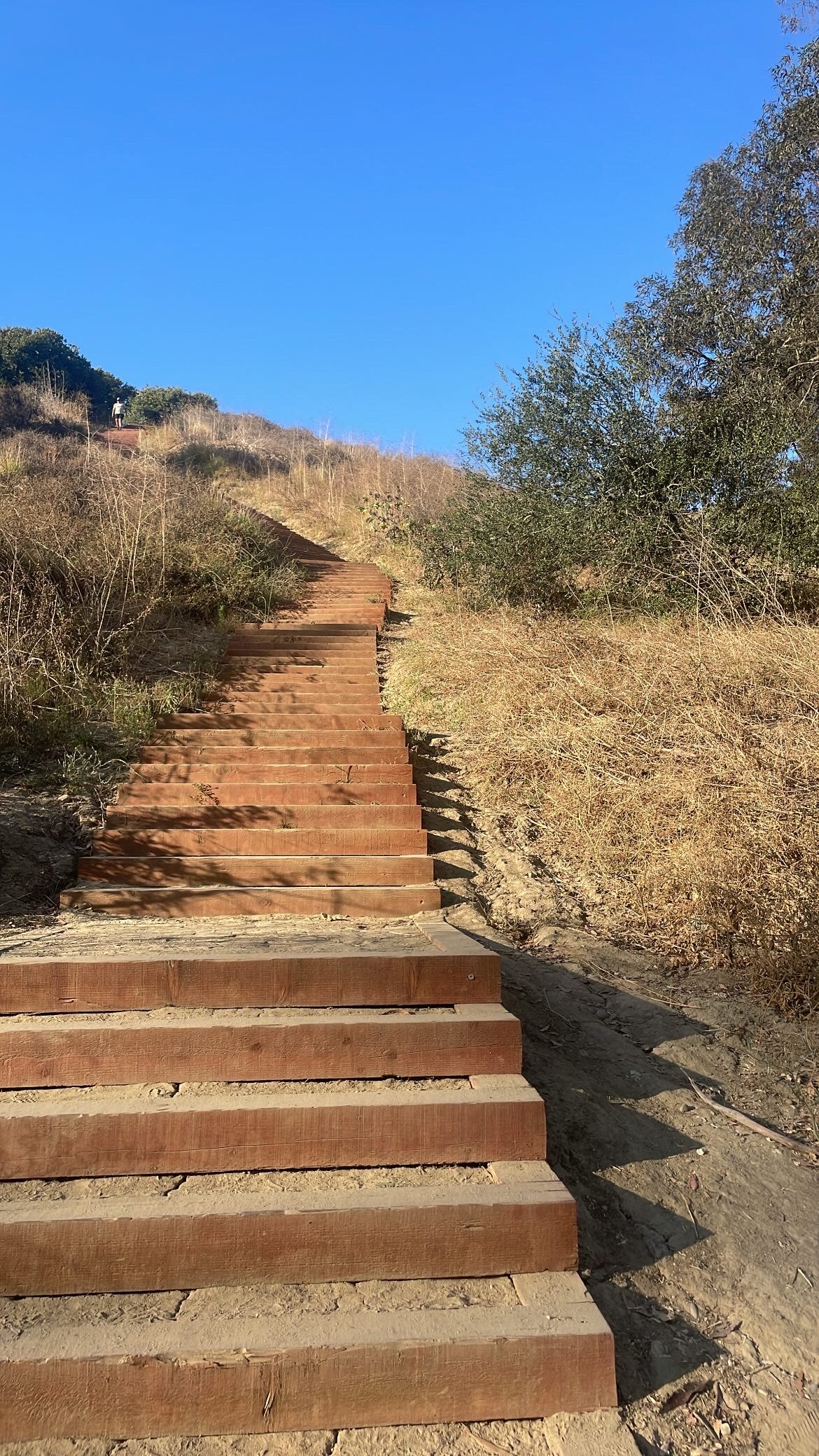
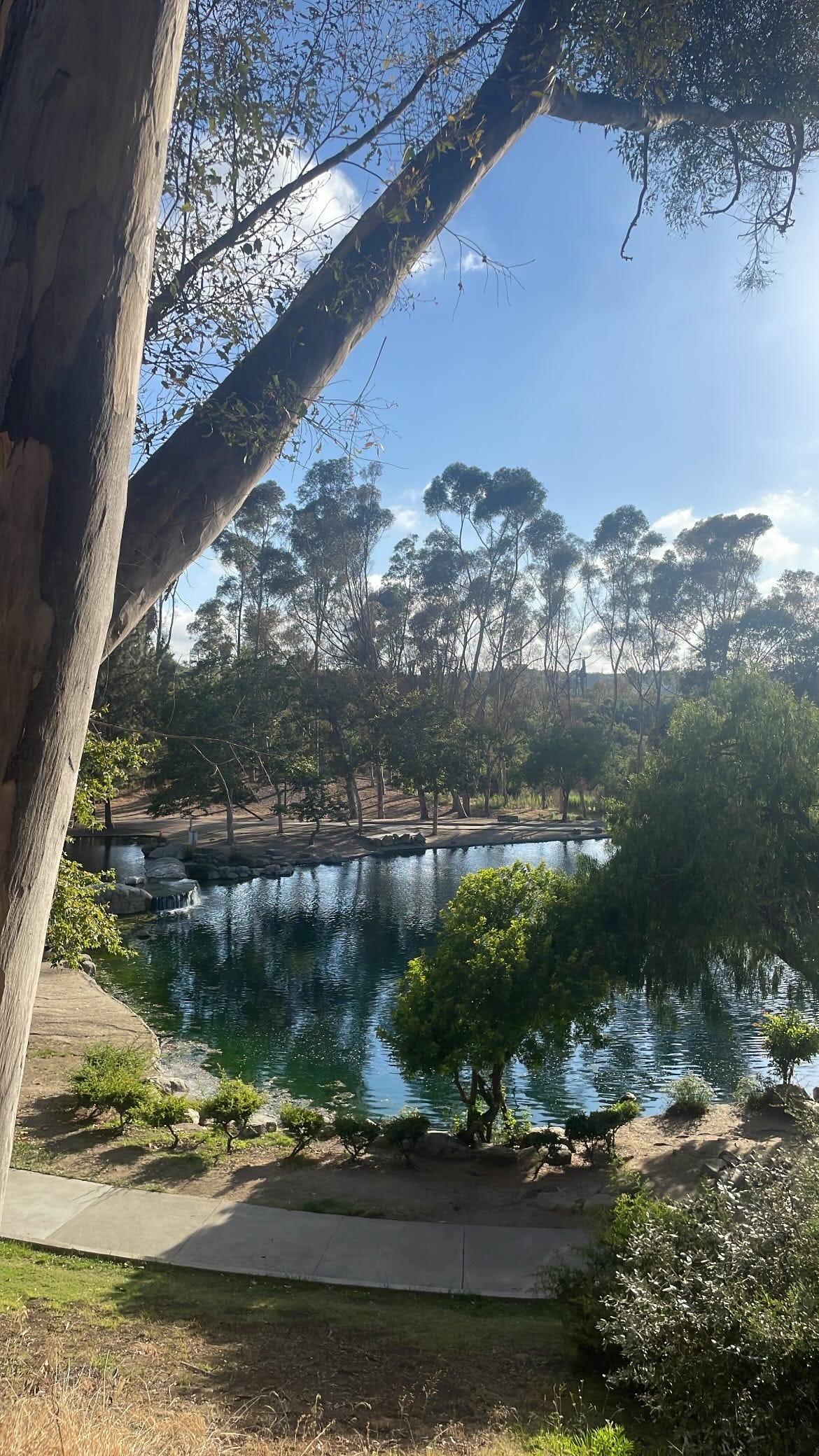
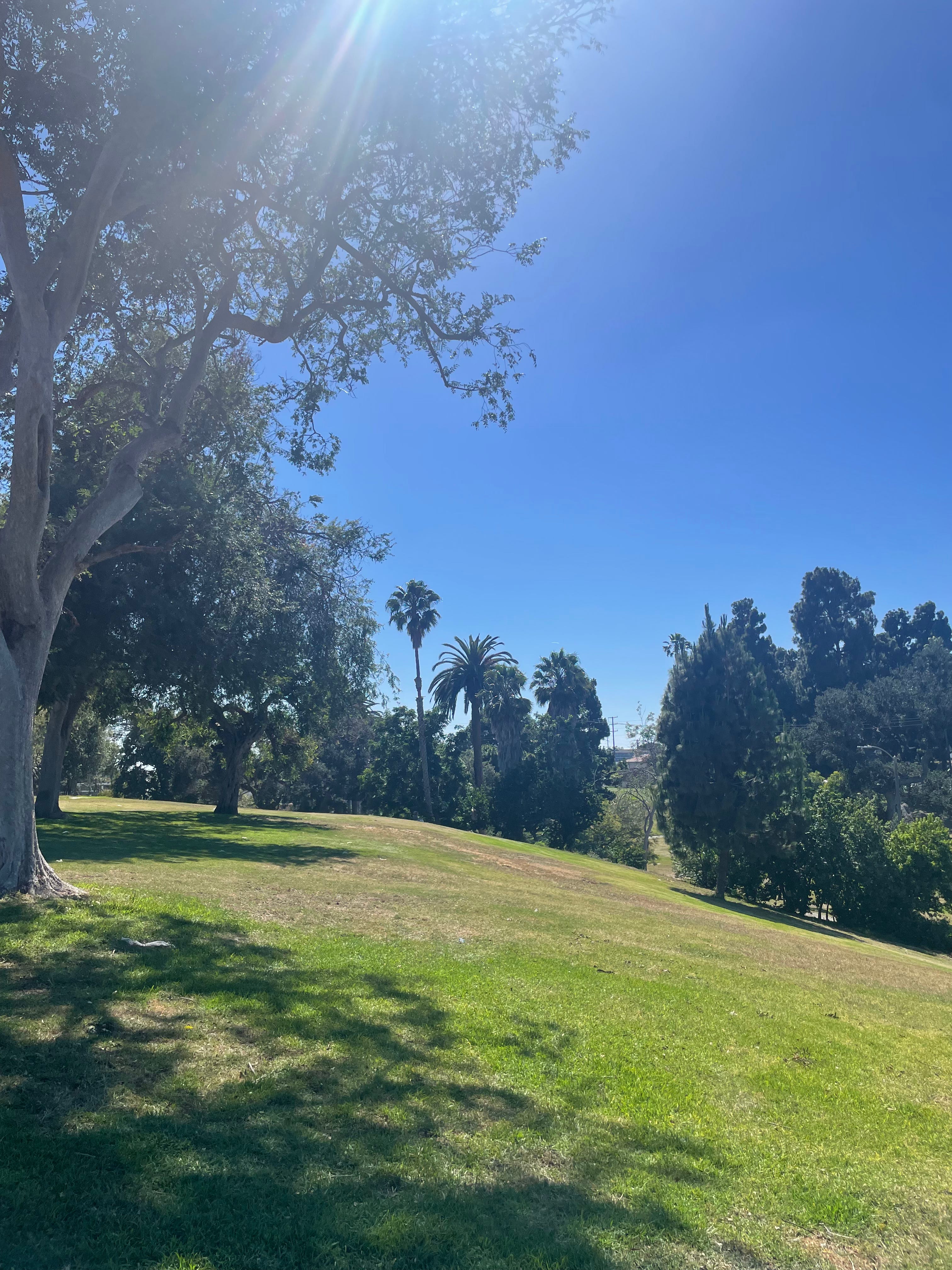
Edward Vincent Jr. Park Beautiful hills, tennis courts (where I frequently run into friends), a skate park. Lovely.
Some Favorites
Before I moved up, I would end up in this area from Long Beach, just to do a bit of exploring in LA.
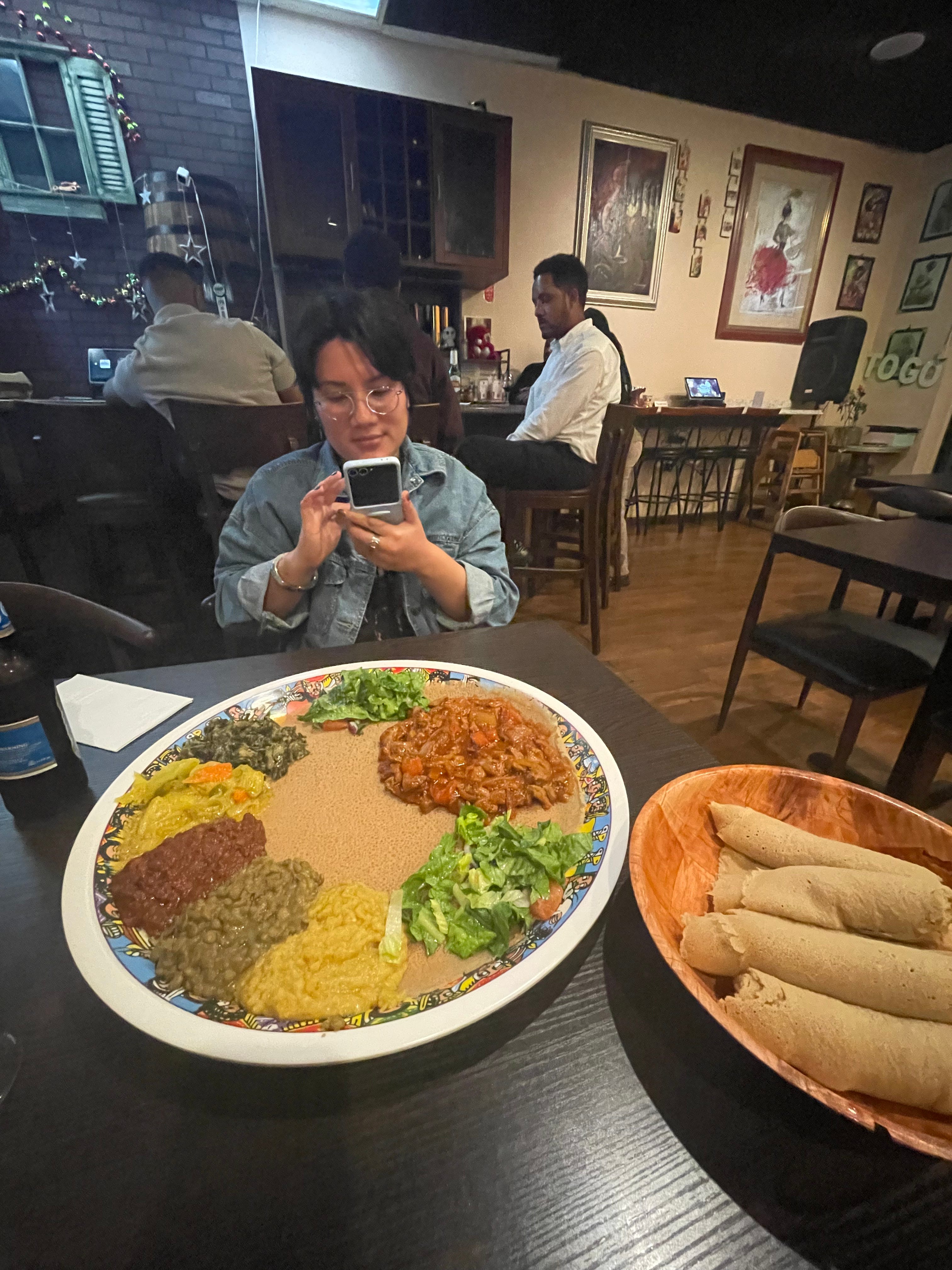
Lore Glorious Black owned book store with a ton of arts and photography books to choose from • Harun Coffee Black owned coffee shop, delicious drinks and a community space • Hilltop Coffee Issa Rae’s local coffee and lunch spot, great for getting some work done • Queen of Sheba My go to for all things Ethiopian. Last month here with Q—
A (very) brief history of Black LA
There is much to untangle and understand about the history and present of Black people in LA. I offer the following as a brief orientation for you and for myself. I know there’s more to know and I want to hear it (in the comments and messages please!). I’m thinking out loud here, I know it’s incomplete. But we must start somewhere.
Black people and those of African ancestry have been residents of California since the Spanish and Mexican colonial periods— representing only a small percent of the population before Emancipation. But Black Americans began to migrate to LA in large numbers during the Second Great Migration in the 1940s, as Los Angeles became a site of wartime industries. Escaping racial terror, segregation, and poverty in the South, the Black population in LA grew to over 760,000 by 1970.1
Black people were redlined, however, into South Central neighborhoods— with some integration permitted (for those who could afford it) on the west side. As a result, the South Central and West side areas became a major cultural and political hub, featuring many jazz clubs and serving as home base to Black liberation fighters, as well as Black middle class communities.
Latter 20th century struggles with white flight/ subsequent divestment, police brutality, political repression, mass incarceration, and the reduction of available industrial jobs created difficult conditions in low-income South Central neighborhoods, giving rise to gang life— which, in any case, became an artistic phenomenon itself, with gangsta rap and film depicting the state of Black life in the hood.2 The class divisions between wealthier Black people in west side neighborhoods versus those in South Central areas became more and more stark and disrupted the Black political power building of the 1960s.
The first 20 years of the 2000s has ushered in gentrification of Black neighborhoods and a reduction in the Black population in LA.3 Even so, I’ve met many people who are firmly committed to and rooted in this place— to LA, to the neighborhoods, and to maintaining Black institutions and uplifting the contributions of Black Angelenos from time and into the future. I’m grateful to learn from them, to join them.
Engage Joy Daily
“The Great Migration: Creating a New Black Identity in Los Angeles.” PBS. www.pbssocal.org/history-society/the-great-migration-creating-a-new-black-identity-in-los-angeles
Gregory Christopher Brown & James Diego Vigil & Eric Robert Taylor. “The Ghettoization of Blacks in Los Angeles: The Emergence of Street Gangs,” Journal African American Studies, (2012), 16:209–225.
“Official 2021-2022 State of Black Los Angeles County Report.” Los Angeles County Anti-Racism, Diversity, and Inclusion Initiative. https://storymaps.arcgis.com/collections/cc7914ce627845448d235549b353f411?item=1
Thanks for this Black LA love. And congrats on the move!
Ahhh! You make me miss home so much!
My family actually migrated to Los Angeles during the last bits of the first Great Migration. An aunt left Kansas City after her twin sister passed away and then various relatives followed her over the next 40ish years. Half stayed in LA and the rest went up to the Bay Area and Sacramento (where I ultimately was born!).